Stormwater Repair Services in North Carolina
Stormwater Management
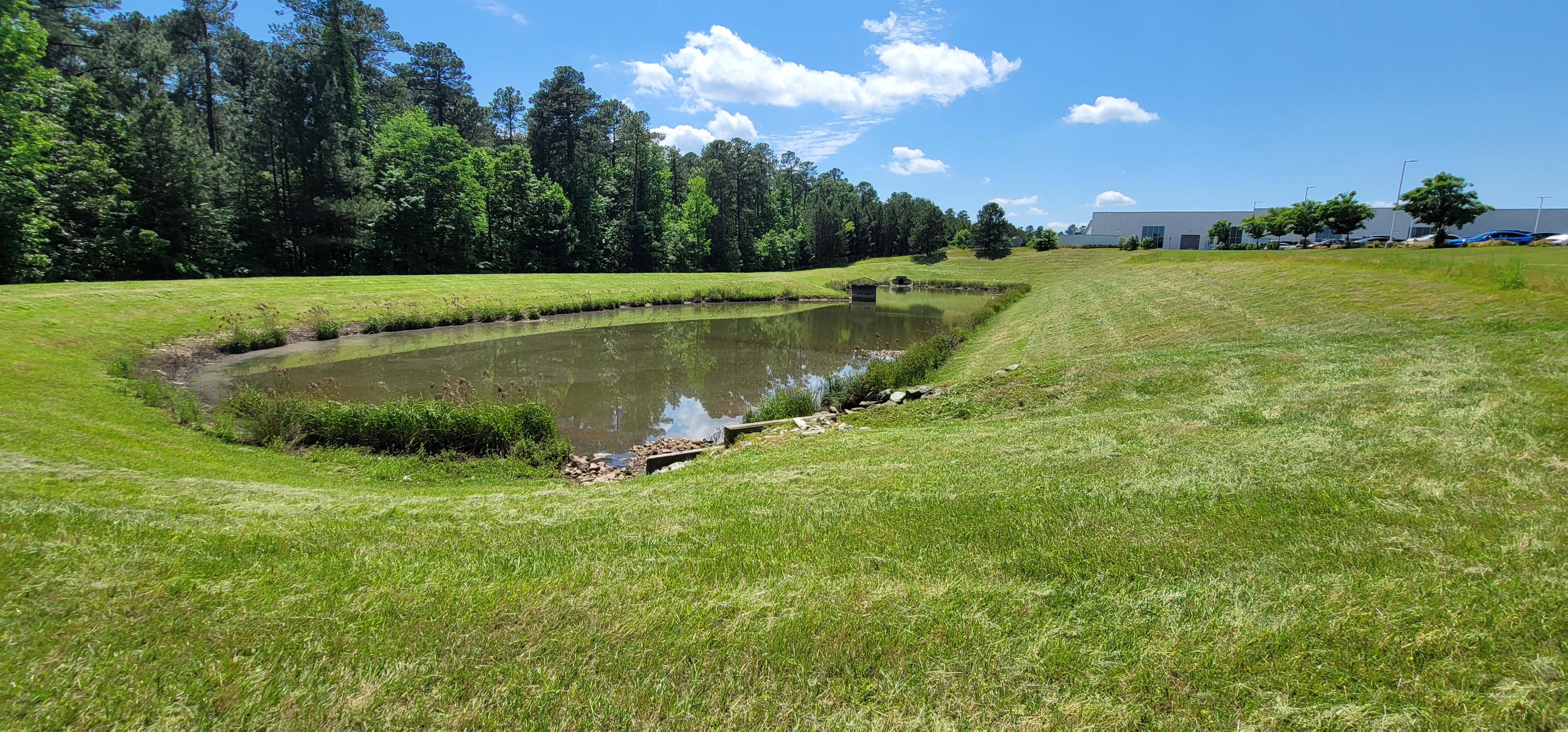
CMS Stormwater provides professional stormwater repair services in North Carolina for commercial properties, HOAs, municipalities, and regulated sites. Our repair services address damaged stormwater control measures (SCMs), structural failures, erosion issues, and drainage problems to restore system performance and ensure compliance with NCDEQ requirements. Prompt repairs help prevent system failure, maintain compliance, and protect water quality across North Carolina.
Stormwater Compliance Repairs
Our Stormwater Repair Services
- Stormwater System Repairs
- Erosion & Structural Repairs
- Pipe & Drainage Repairs
- Inlet & Outlet Structure Repairs
- SCM / BMP Repairs
- Emergency Stormwater Repairs
How Repairs Support Stormwater Systems
Stormwater repairs are typically performed after stormwater inspections identify system deficiencies and after stormwater maintenance efforts reveal structural or performance issues. Timely repairs ensure stormwater systems remain compliant, functional, and capable of managing runoff effectively.
Stormwater Repair Requirements in North Carolina
In North Carolina, stormwater repairs are required when stormwater control measures (SCMs) become damaged, fail to function properly, or fall out of compliance with NCDEQ regulations and local municipal requirements. Repairs are essential to restore system performance and prevent pollutants from entering waterways.
Core Aspects of Stormwater Compliance Repairs
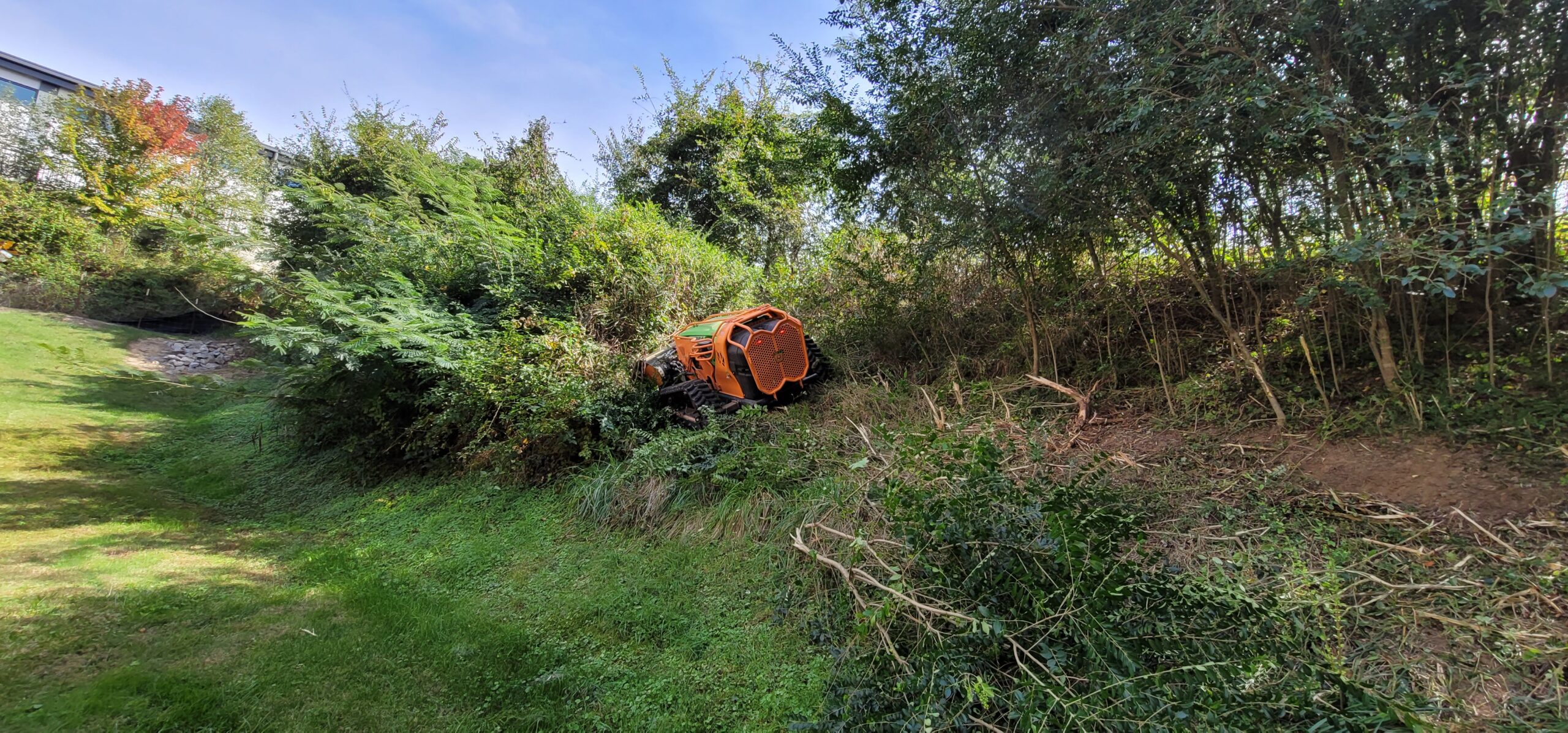
Overgrown Vegetation Management
Vegetation management maintains proper stormwater flow paths and treatment performance within swales, bioretention areas, detention basins, and retention ponds. Routine mowing, shrub trimming, invasive species control, and nuisance vegetation removal prevent flow obstructions and hydraulic short-circuiting. Proper vegetative maintenance preserves designed infiltration rates, ensures clear access to outlet structures, and supports BMP functionality. Consistent vegetation management is often required under stormwater maintenance agreements and municipal inspection programs.
Structural Repairs
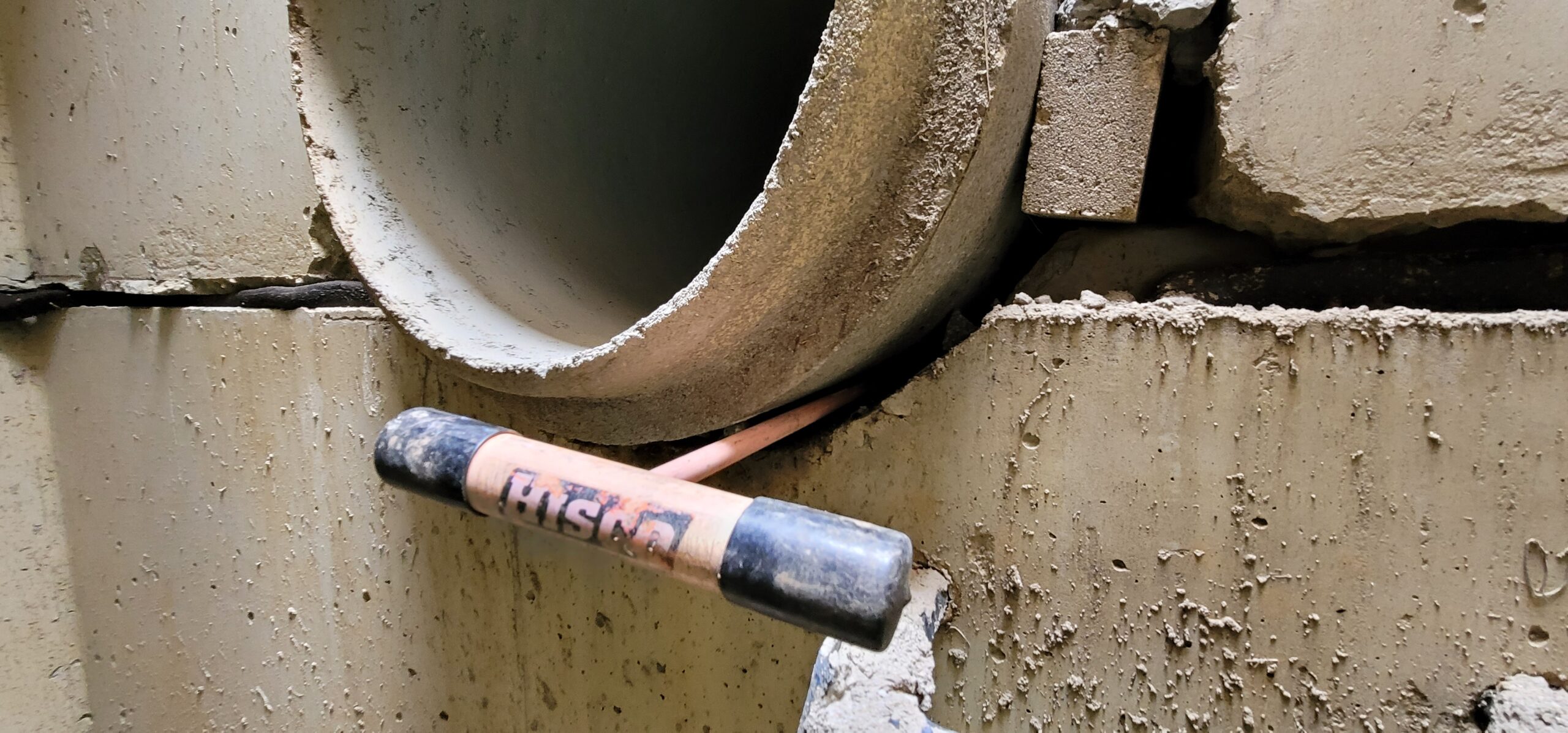
Structural stormwater repairs are critical for maintaining the integrity of pipes, catch basins, manholes, headwalls, and outlet control structures within a stormwater management system. Repairing or replacing cracked concrete, corroded metal components, deteriorated HDPE pipe, and damaged precast structures ensures proper hydraulic performance and regulatory compliance. Failing structural components can lead to infiltration, exfiltration, sinkholes, embankment instability, and non-compliance with post-construction stormwater permits. Proactive structural rehabilitation preserves system capacity, protects downstream properties, and extends the service life of stormwater infrastructure.
Pipe Rehabilitation
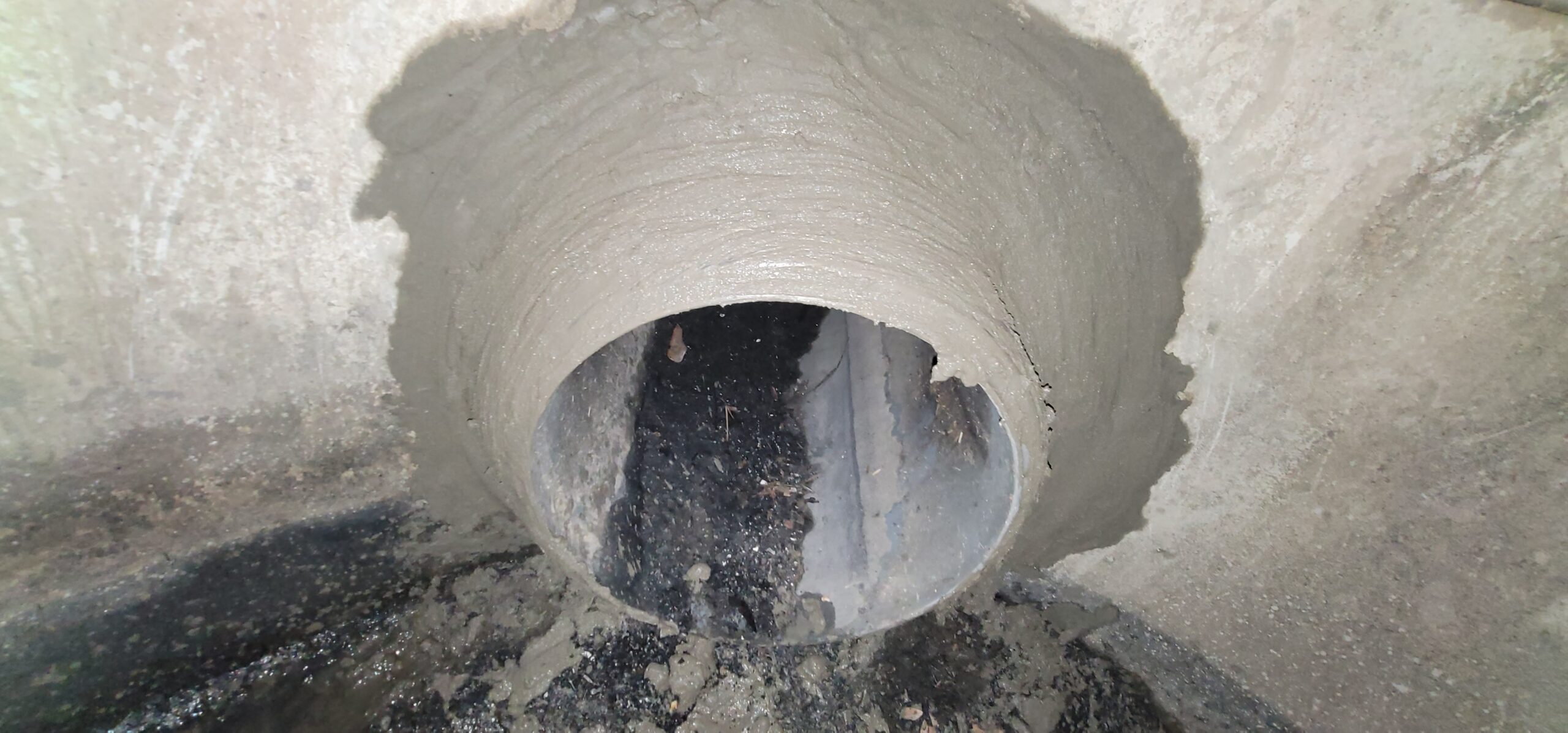
Pipe rehabilitation restores failing stormwater conveyance systems using trenchless technologies such as cured-in-place pipe (CIPP) lining, sectional patching, and internal pipe relining. These methods repair cracks, joint separation, root intrusion, and corrosion without full excavation, minimizing site disturbance and surface restoration costs. Rehabilitating storm drain pipes improves flow efficiency, reduces inflow and infiltration, and prevents system collapse or sinkhole formation. Trenchless stormwater pipe repair supports long-term compliance with municipal stormwater management standards and NPDES permit requirements.
Sediment and Debris Removal
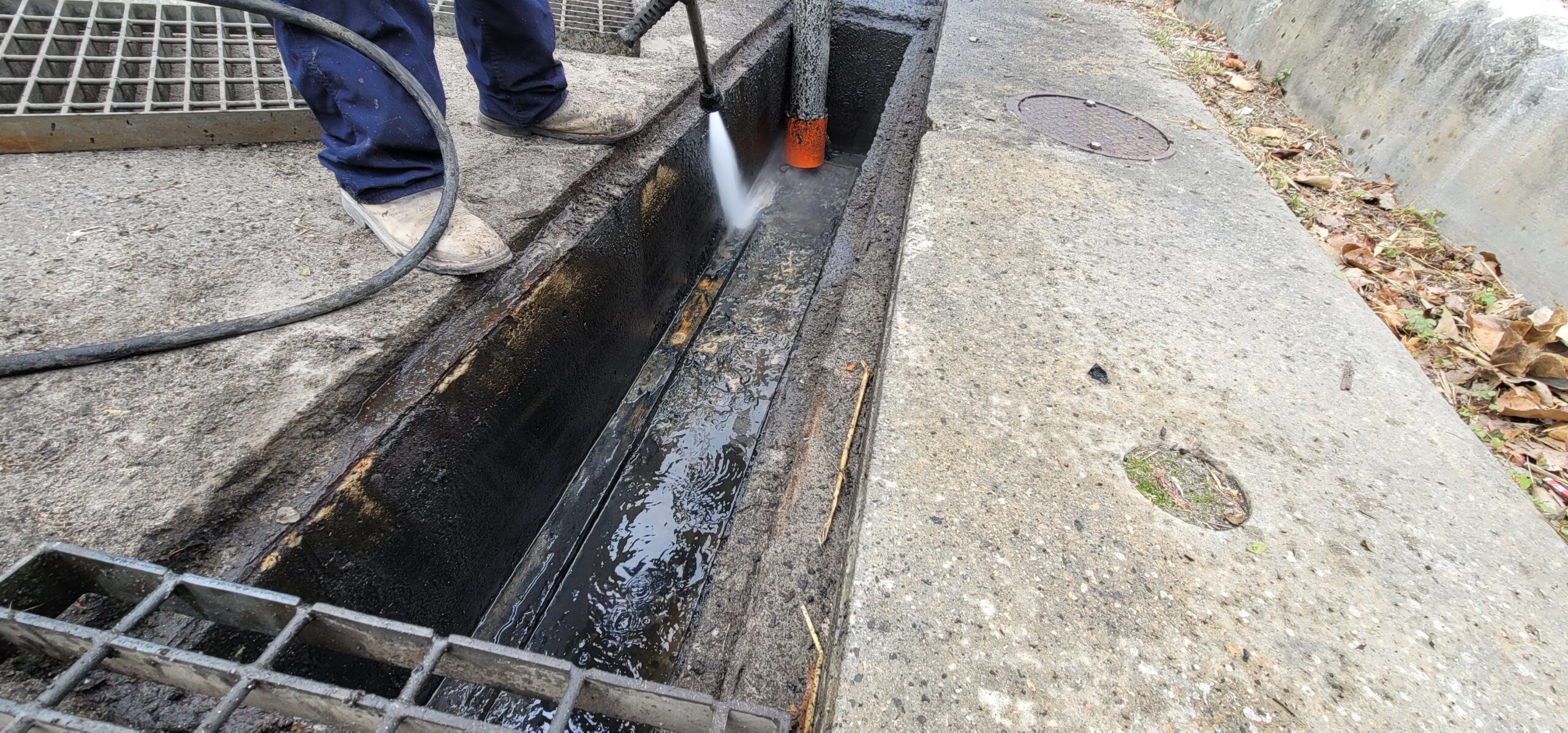
Sediment and debris removal is essential to maintain hydraulic capacity and prevent blockages within storm drains, culverts, catch basins, and inlets. Accumulated sediment, trash, organic matter, and floatables reduce conveyance efficiency and increase the risk of localized flooding during high-intensity storm events. Routine cleaning and vacuum extraction services improve stormwater flow, enhance water quality treatment performance, and reduce pollutant loading to downstream receiving waters. Regular sediment removal also supports compliance with MS4 programs and post-construction stormwater maintenance agreements.
Inlet and Outlet Dissipator Repair
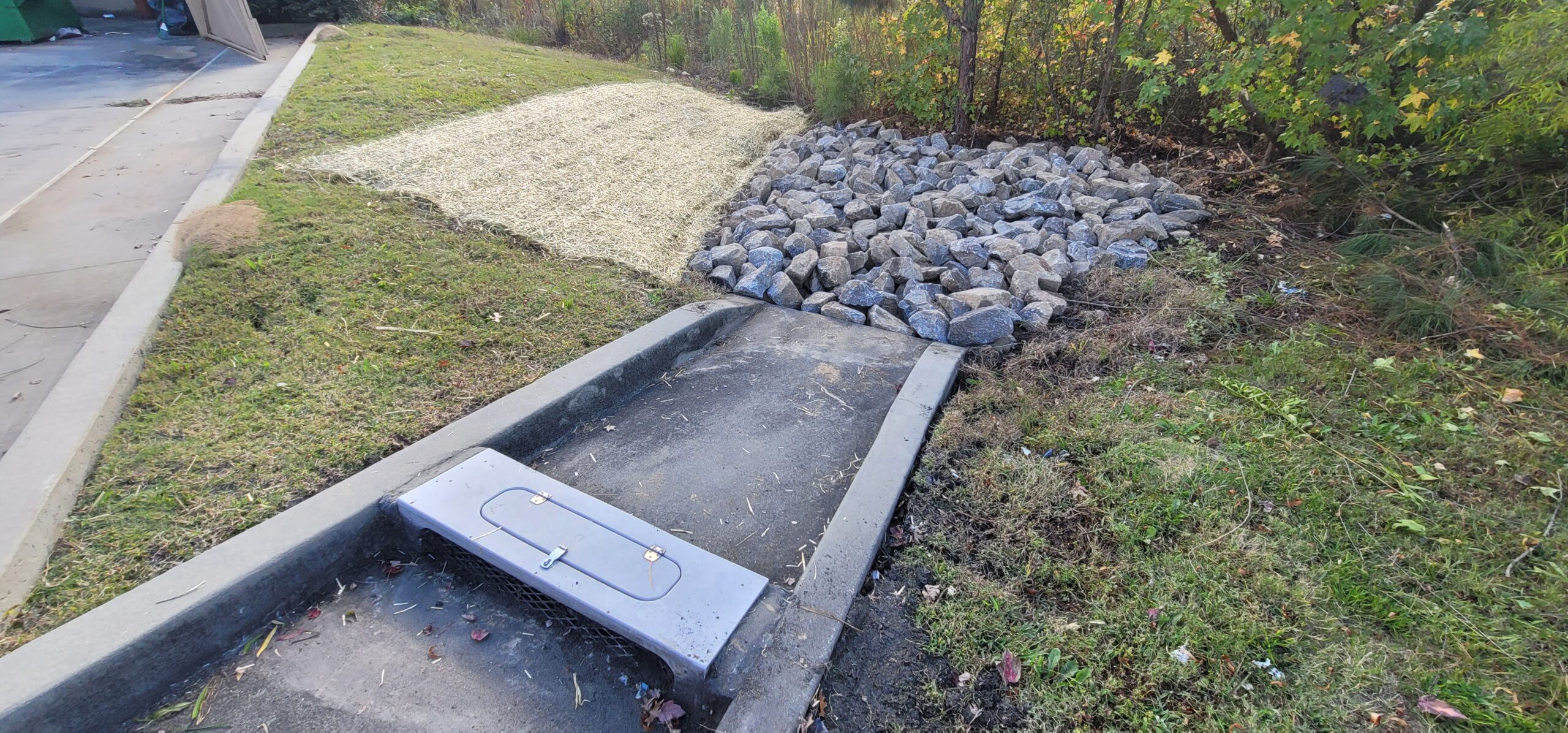
Inlet and outlet dissipator repair is essential for preventing scour, washouts, and structural damage at stormwater discharge and inflow points. Restoring riprap aprons, concrete energy dissipators, level spreaders, and velocity control devices reduces erosion, protects embankments, and preserves downstream water quality. Prompt repair of displaced stone, undermined structures, and failed stabilization measures ensures proper energy dissipation, maintains hydraulic performance, and supports compliance with post-construction stormwater management requirements.
Erosion Repair
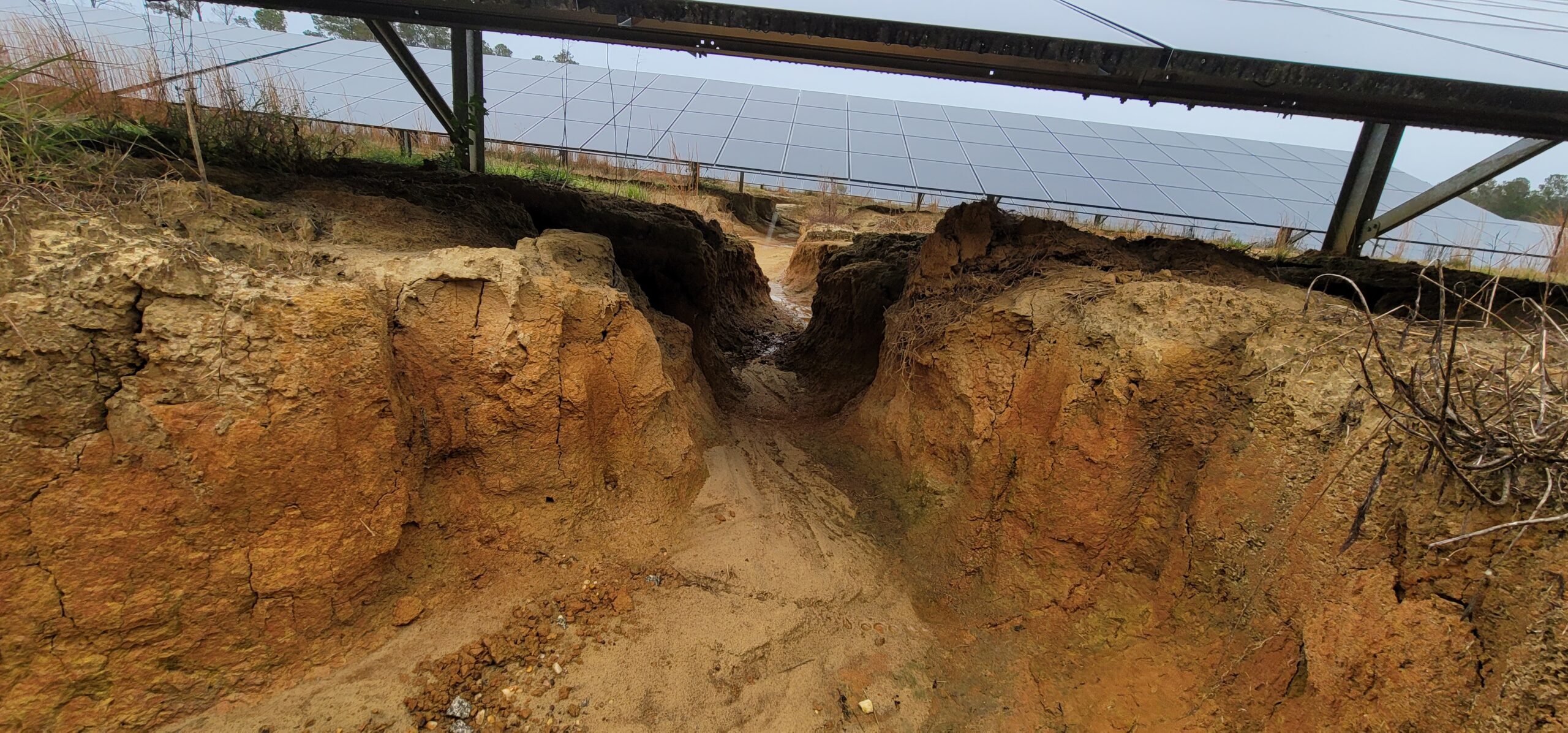
Erosion repair is essential to protect stormwater infrastructure, embankments, swales, and outfall discharge points from soil loss and structural instability. Addressing washouts, slope failures, and channel scour with riprap armoring, erosion control matting, reinforced turf systems, and vegetative stabilization prevents sediment migration and downstream water quality impacts. Timely erosion repairs preserve detention capacity, maintain hydraulic performance, and ensure compliance with state stormwater and sediment control regulations while reducing the risk of costly long-term damage.
Sinkhole Repair
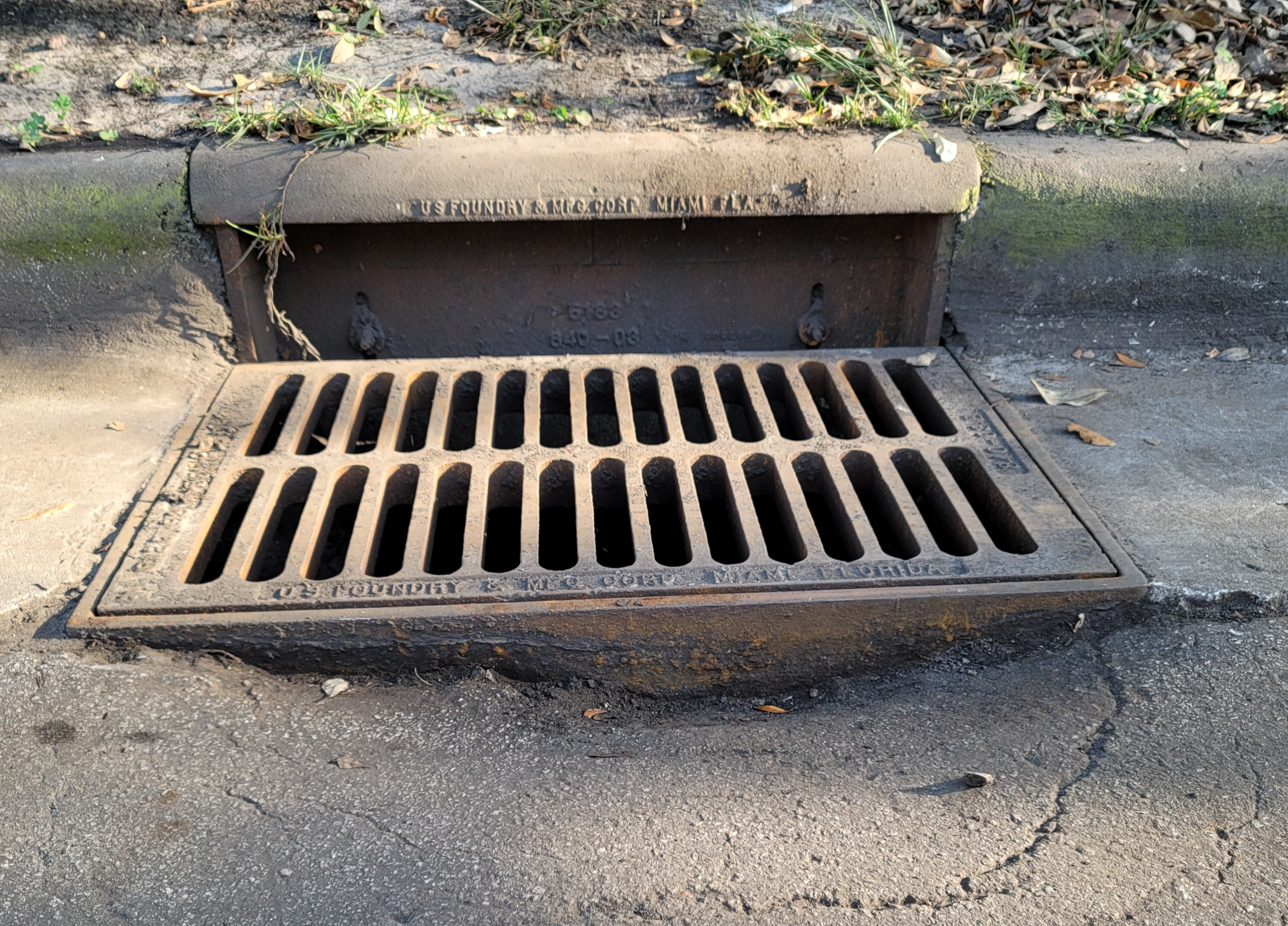
Catch basins and manholes are critical stormwater structures, but over time they can deteriorate due to corrosion, joint failure, frame settlement, and infiltration. In some cases, these failures lead to sinkholes forming around the structures, posing safety risks and damaging nearby surfaces. Repairs include frame and grate replacement, joint sealing, concrete rehabilitation, backfilling voids, and stabilizing surrounding soil to restore integrity and prevent further collapse. Timely maintenance of catch basins, manholes, and any associated sinkholes ensures proper stormwater conveyance, reduces flooding, protects property, and maintains compliance with municipal and state stormwater regulations.
Comprehensive Stormwater Compliance Repairs
CMS specializes in comprehensive stormwater compliance repairs, including pipe lining, culvert replacement, storm drain and catch basin cleaning, manhole rehabilitation, sinkhole repair, and structural infrastructure restoration.
Our team also addresses critical maintenance and stabilization needs such as erosion repair, slope stabilization, sediment and debris removal, inlet and outlet dissipator repair, overgrown vegetation management, pond dredging, stream restoration, permeable pavement repair, and bioretention system restoration to maintain regulatory compliance and system performance.
Stormwater Services
Importance of Stormwater Management
Stormwater management is a critical part of protecting property, infrastructure, and natural resources by controlling runoff volume and reducing pollutants carried by rainwater. Engineered stormwater control measures (SCMs) such as wet ponds, bioretention basins, infiltration systems, and swales are designed to treat runoff, reduce erosion, and improve water quality before water enters streams, rivers, and lakes. Without effective stormwater management, uncontrolled runoff can cause flooding, property damage, and increased sedimentation in receiving waters, leading to non-point source pollution concerns. For commercial, industrial, and regulated sites across North Carolina, proactive stormwater management supports regulatory compliance and reduces long-term operational risks. CMS provides comprehensive stormwater solutions that help property owners plan, implement, and maintain stormwater systems to protect assets and meet performance expectations.
Maintenance of Stormwater SCMs
Routine maintenance of stormwater SCMs is essential for long-term performance, as sediment buildup, vegetation overgrowth, and clogged inlets can significantly diminish treatment capacity and hydraulic function. Regular maintenance ensures that SCMs, such as wet ponds, permeable pavements, and sand filters, continue to capture and treat stormwater runoff as designed. Without ongoing care, SCMs can fail to remove pollutants effectively, increasing the risk of flooding and environmental impacts downstream. CMS provides scheduled maintenance programs tailored to each SCM, helping clients avoid costly failures and ensuring reliable stormwater performance.
Repairs of Stormwater SCMs
Stormwater SCM repair services are critical when systems demonstrate structural issues, sediment reduction in storage capacity, or impaired hydraulic performance. Repairs may involve restructuring outlet controls, restoring eroded embankments, replacing damaged components, or rehabilitating clogged media in filtration systems. Timely SCM repairs prevent small issues from developing into system failures that compromise water quality and increase risk of flooding. CMS delivers stormwater system repair expertise that addresses both routine and non-routine corrections to restore SCMs to their original operating condition.
Inspections of Stormwater SCMs
Stormwater SCM inspections identify maintenance needs, structural concerns, and performance deficiencies that could reduce treatment effectiveness or lead to regulatory non-compliance. Quarterly, annual, and post-storm inspections help owners track sediment accumulation, vegetation conditions, and hydraulic function to ensure SCMs operate as intended. CMS utilizes certified stormwater inspectors and documented inspection protocols to provide thorough evaluations and detailed reporting. These professional inspections support stormwater compliance goals and help guide maintenance and repair planning for each SCM device.
Related Stormwater Services
Contact CMS Stormwater Today
Phone
Office: (252) 200-4774
Cell: (252) 903-6260
PO BOX 552
Nashville, NC 27856
Business Hours
Monday - Saturday: 7 a.m. - 5 p.m.
Sunday: Closed
Emergency Response: Call Immediately