Stormwater Shoreline Restoration & Pond Dredging
Stormwater Management
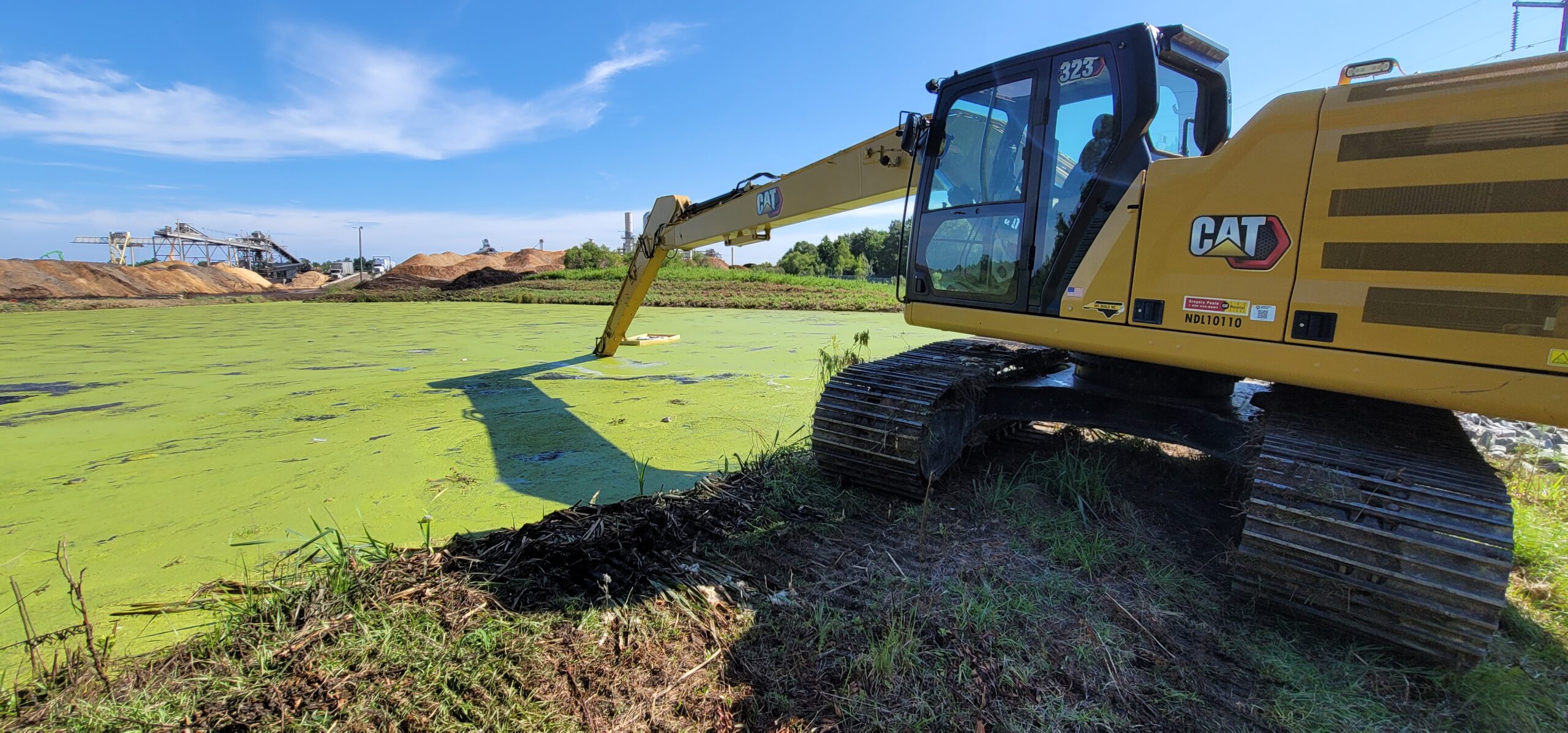
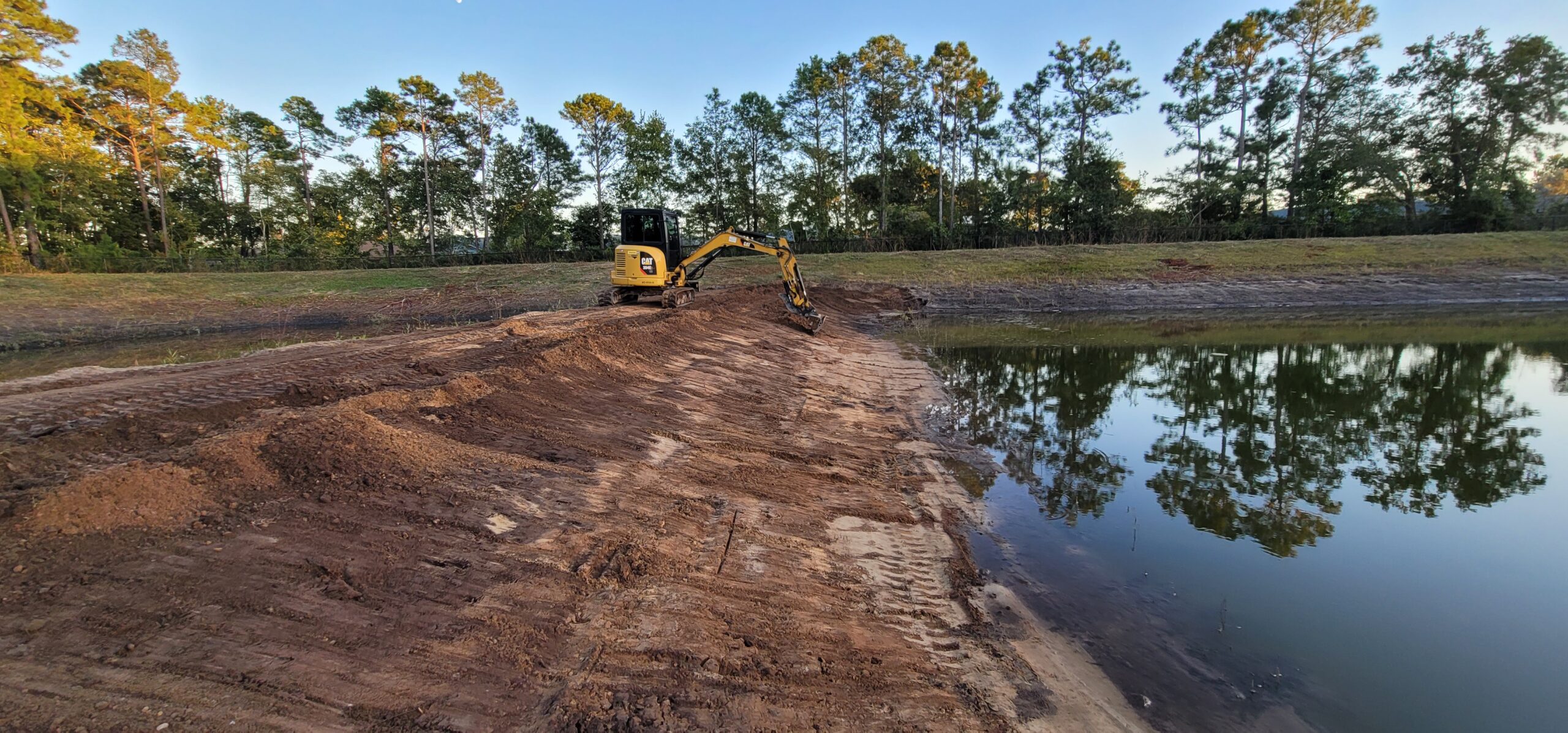
Stormwater shoreline restoration and dredging services restore detention ponds, wet ponds, and stormwater control measures (SCMs) to full hydraulic and treatment capacity. Sediment accumulation, bank erosion, and shoreline failure reduce water quality performance and increase regulatory risk. Our dredging process removes accumulated sediment, restores design volume, and improves pollutant removal efficiency. Bank stabilization, riprap installation, and vegetative reinforcement protect embankments while ensuring long-term stormwater compliance and asset longevity.
Pond Dredging & Shoreline Erosion Repair
Pond Dredging
Improved Water Quality & Aquatic Health
Pond dredging removes organic sludge, excess nutrients like nitrogen and phosphorus, and accumulated sediment that degrade water quality. By reducing nutrient loading, dredging improves oxygen levels, minimizes odors, and lowers the risk of harmful algae blooms and fish kills. The result is clearer water and a healthier aquatic ecosystem that supports long-term stormwater treatment performance.
Restored Capacity & Flood Protection
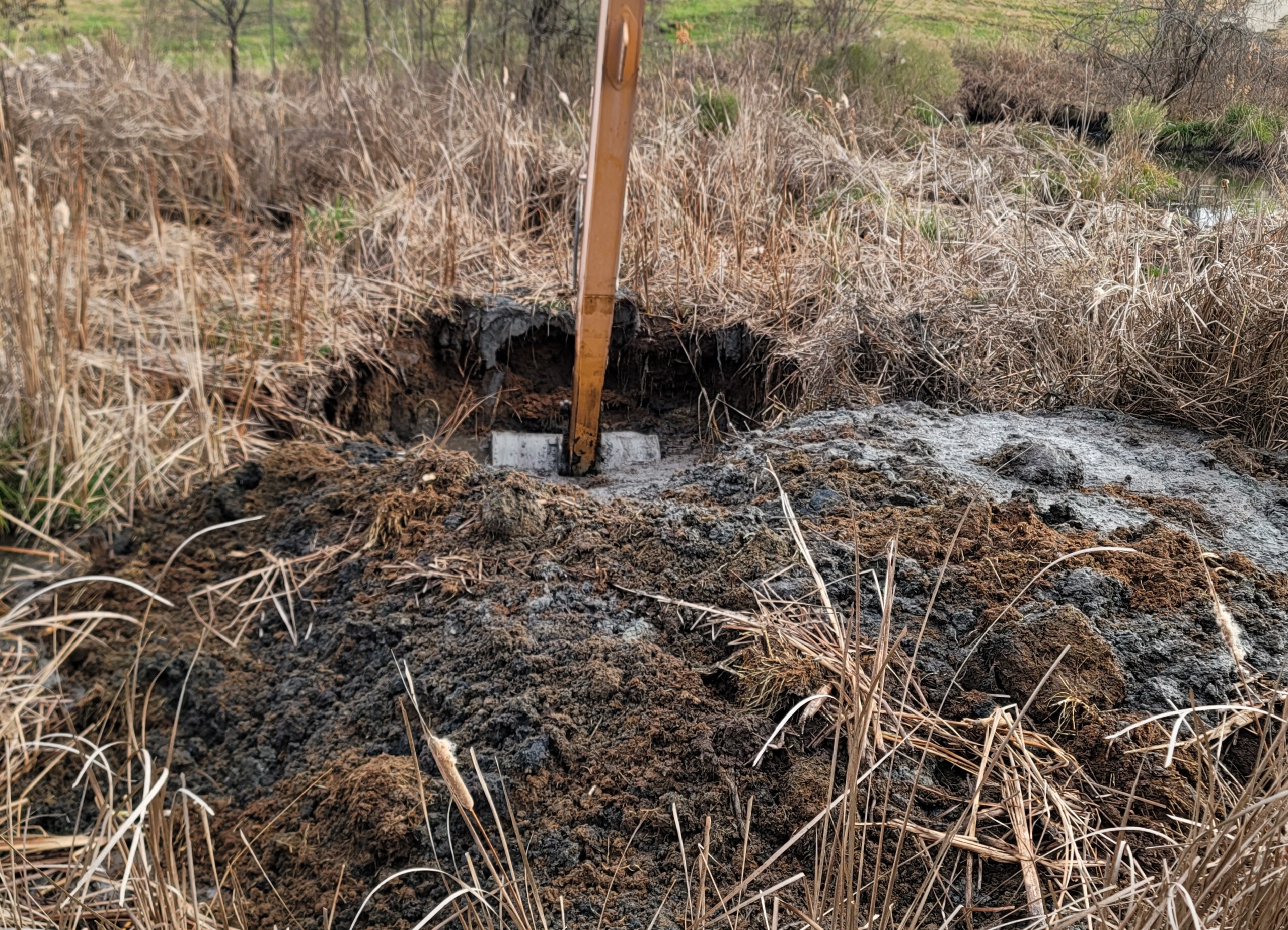
Sediment buildup reduces pond depth, storage volume, and stormwater retention capacity over time. Dredging restores original design elevations, increases hydraulic capacity, and improves overall stormwater management performance. This helps prevent overflows, protects surrounding property, and ensures continued compliance with detention and retention basin requirements.
Shoreline Stability & Property Value
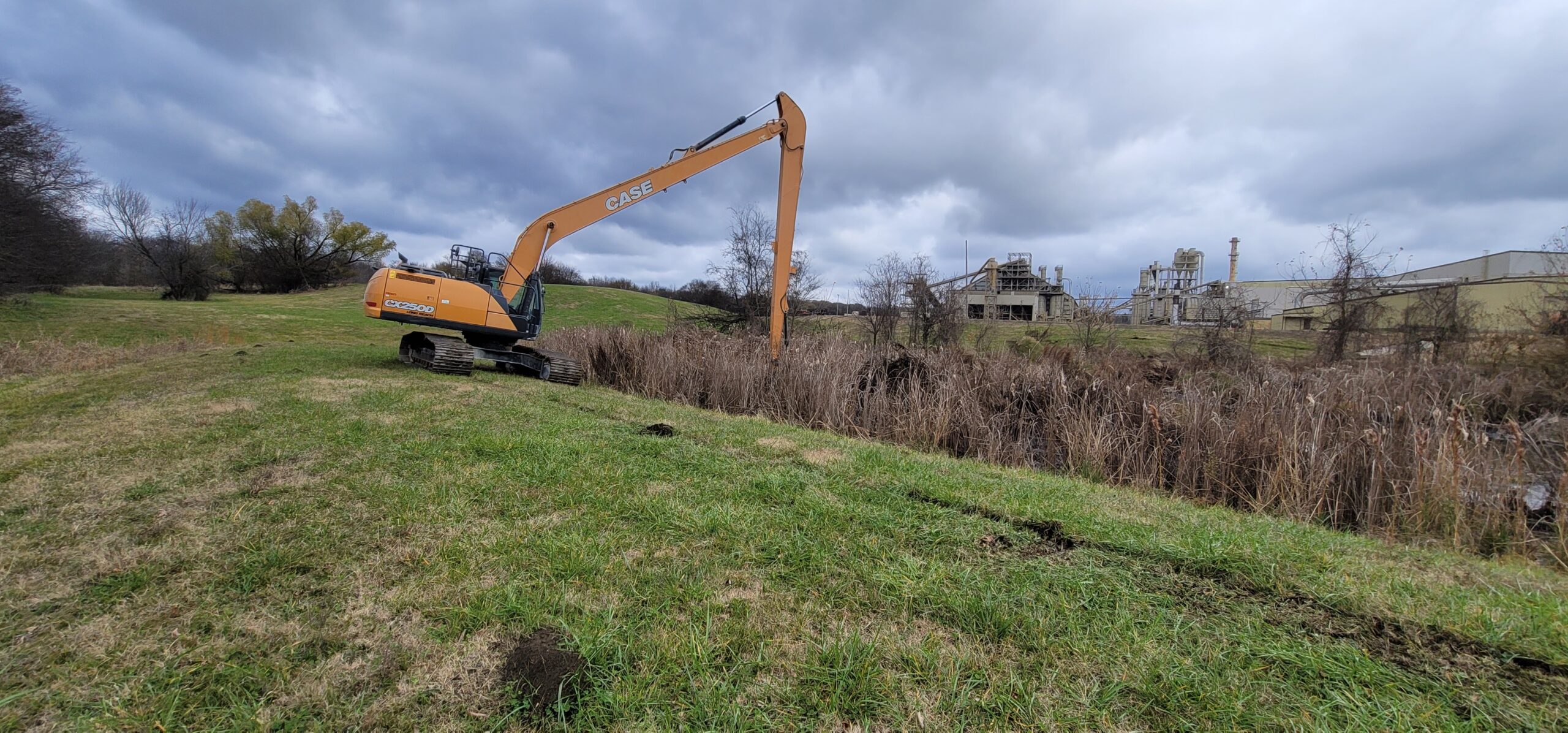
Excess sediment and fluctuating water levels contribute to shoreline erosion and unstable embankments. Dredging supports bank stabilization efforts, improves slope integrity, and allows for shoreline restructuring when needed. The result is a more attractive, functional pond that enhances property value while protecting critical stormwater infrastructure.
Shoreline Restoration
Erosion Control & Storm Protection
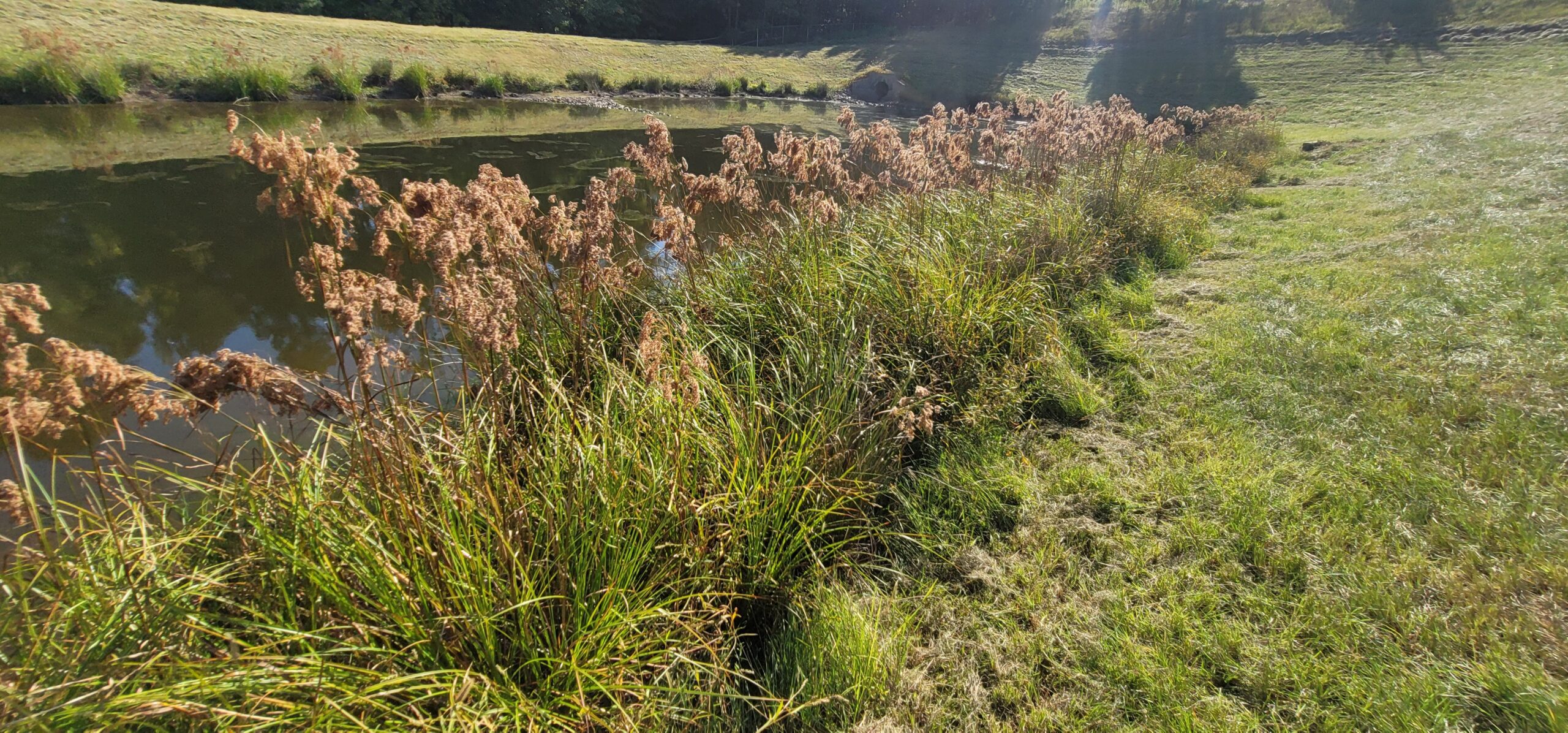
Shoreline restoration stabilizes banks using native vegetation, root systems, and natural reinforcement materials that anchor soil and absorb wave energy. Unlike rigid bulkheads, living shorelines adapt over time and provide long-term erosion control. These natural buffers also reduce storm surge impact and help protect adjacent property from flood damage.
Improved Water Quality & Filtration
Restored shorelines filter nutrients, sediment, and stormwater pollutants before they enter ponds, lakes, or coastal waters. Native plantings reduce runoff velocity, minimizing turbidity and nutrient loading that contribute to algae blooms. This enhances overall water quality and supports long-term aquatic health.
Habitat Enhancement & Property Value
Living shoreline restoration creates habitat for fish, crabs, birds, and other wildlife while protecting spawning and nursery areas. Healthy, stabilized shorelines improve the aesthetic appeal and ecological function of waterfront properties. In addition to environmental benefits, shoreline restoration can increase property value and support recreation and tourism.
Stormwater Services
Importance of Stormwater Management
Stormwater management is a critical part of protecting property, infrastructure, and natural resources by controlling runoff volume and reducing pollutants carried by rainwater. Engineered stormwater control measures (SCMs) such as wet ponds, bioretention basins, infiltration systems, and swales are designed to treat runoff, reduce erosion, and improve water quality before water enters streams, rivers, and lakes. Without effective stormwater management, uncontrolled runoff can cause flooding, property damage, and increased sedimentation in receiving waters, leading to non-point source pollution concerns. For commercial, industrial, and regulated sites across North Carolina, proactive stormwater management supports regulatory compliance and reduces long-term operational risks. CMS provides comprehensive stormwater solutions that help property owners plan, implement, and maintain stormwater systems to protect assets and meet performance expectations.
Maintenance of Stormwater SCMs
Routine maintenance of stormwater SCMs is essential for long-term performance, as sediment buildup, vegetation overgrowth, and clogged inlets can significantly diminish treatment capacity and hydraulic function. Regular maintenance ensures that SCMs, such as wet ponds, permeable pavements, and sand filters, continue to capture and treat stormwater runoff as designed. Without ongoing care, SCMs can fail to remove pollutants effectively, increasing the risk of flooding and environmental impacts downstream. CMS provides scheduled maintenance programs tailored to each SCM, helping clients avoid costly failures and ensuring reliable stormwater performance.
Repairs of Stormwater SCMs
Stormwater SCM repair services are critical when systems demonstrate structural issues, sediment reduction in storage capacity, or impaired hydraulic performance. Repairs may involve restructuring outlet controls, restoring eroded embankments, replacing damaged components, or rehabilitating clogged media in filtration systems. Timely SCM repairs prevent small issues from developing into system failures that compromise water quality and increase risk of flooding. CMS delivers stormwater system repair expertise that addresses both routine and non-routine corrections to restore SCMs to their original operating condition.
Inspections of Stormwater SCMs
Stormwater SCM inspections identify maintenance needs, structural concerns, and performance deficiencies that could reduce treatment effectiveness or lead to regulatory non-compliance. Quarterly, annual, and post-storm inspections help owners track sediment accumulation, vegetation conditions, and hydraulic function to ensure SCMs operate as intended. CMS utilizes certified stormwater inspectors and documented inspection protocols to provide thorough evaluations and detailed reporting. These professional inspections support stormwater compliance goals and help guide maintenance and repair planning for each SCM device.
Contact CMS Stormwater Today
Phone
Office: (252) 200-4774
Cell: (252) 903-6260
PO BOX 552
Nashville, NC 27856
Business Hours
Monday - Saturday: 7 a.m. - 5 p.m.
Sunday: Closed
Emergency Response: Call Immediately