Underground Stormwater Control Measures (SCMs)
Stormwater Management Solutions
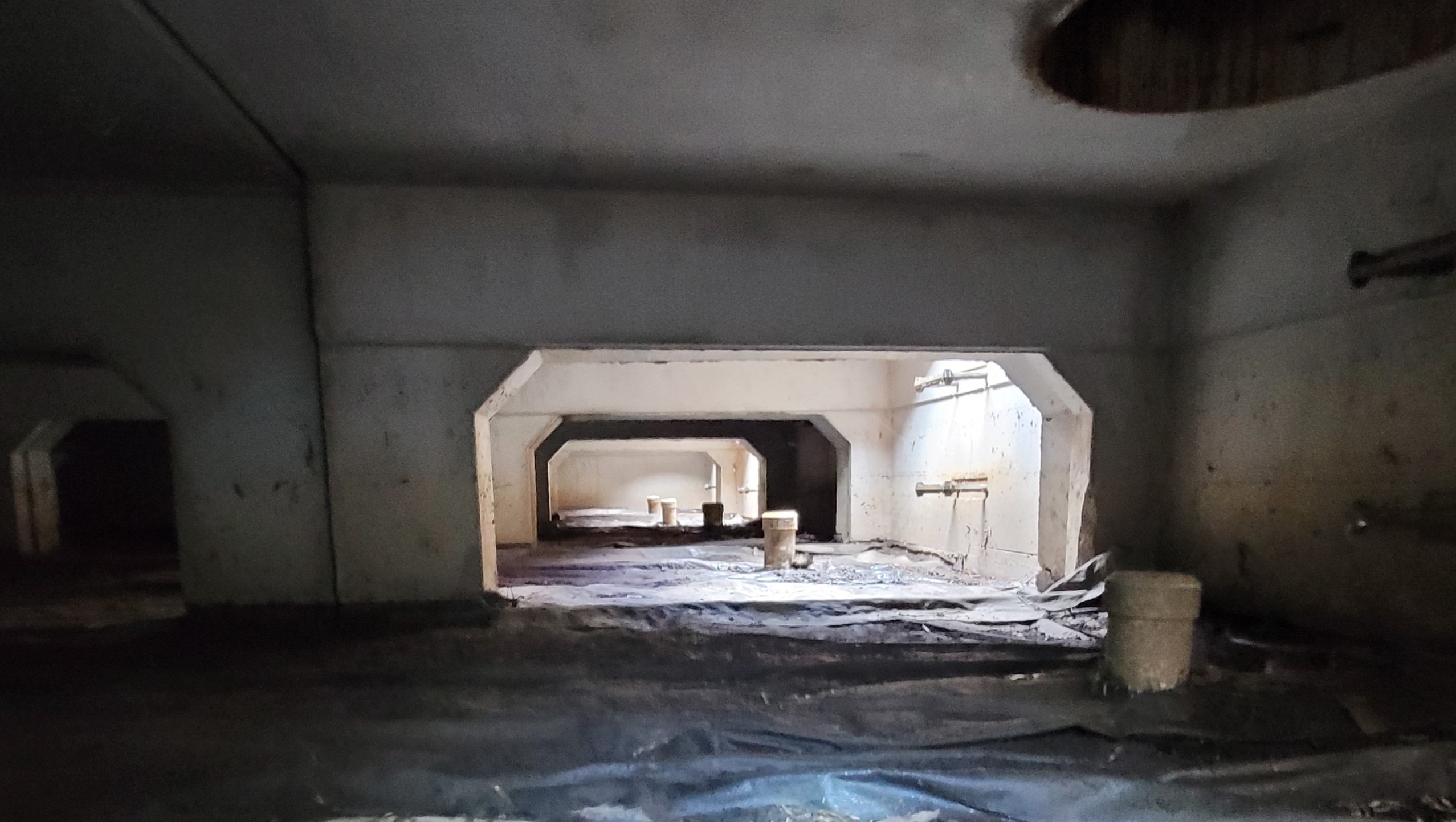
Underground stormwater control measures (SCMs) are commonly used in North Carolina where land is limited and high-density development requires below-grade stormwater storage and treatment. Regulated under permits issued by the North Carolina Department of Environmental Quality (NC DEQ), these systems manage runoff volume, provide water quality treatment, and reduce peak discharge while preserving usable surface area.
When underground stormwater systems are not properly inspected and maintained, sediment buildup, clogging, structural damage, and reduced hydraulic capacity can significantly compromise performance. CMS provides professional inspection, maintenance, rehabilitation, and compliance support throughout North Carolina to ensure your underground SCMs function as designed and continue to meet all permit requirements.
Underground Stormwater Devices
Underground SCM Types
Underground Detention Vaults (Concrete)
Underground detention vaults are large buried concrete chambers designed to temporarily store stormwater runoff and release it at controlled rates to prevent downstream flooding and erosion. CMS provides underground vault inspections, structural evaluations, sediment assessments, and stormwater compliance support throughout North Carolina.
Underground Detention Pipe Systems (CMP/HDPE)
Underground detention pipe systems utilize large-diameter corrugated metal pipe (CMP) or high-density polyethylene (HDPE) to provide subsurface stormwater storage in commercial developments. CMS performs inspection, sediment level evaluation, and system performance assessments to ensure continued stormwater functionality and regulatory compliance.
Sand Filter Systems (Underground)
Sand filter systems use engineered sand media within concrete chambers to remove sediment, nutrients, and pollutants from stormwater runoff before discharge. CMS conducts system evaluations, media condition assessments, and structural inspections to maintain water quality performance under North Carolina stormwater standards.
Proprietary Filtration Devices (e.g., StormFilter)
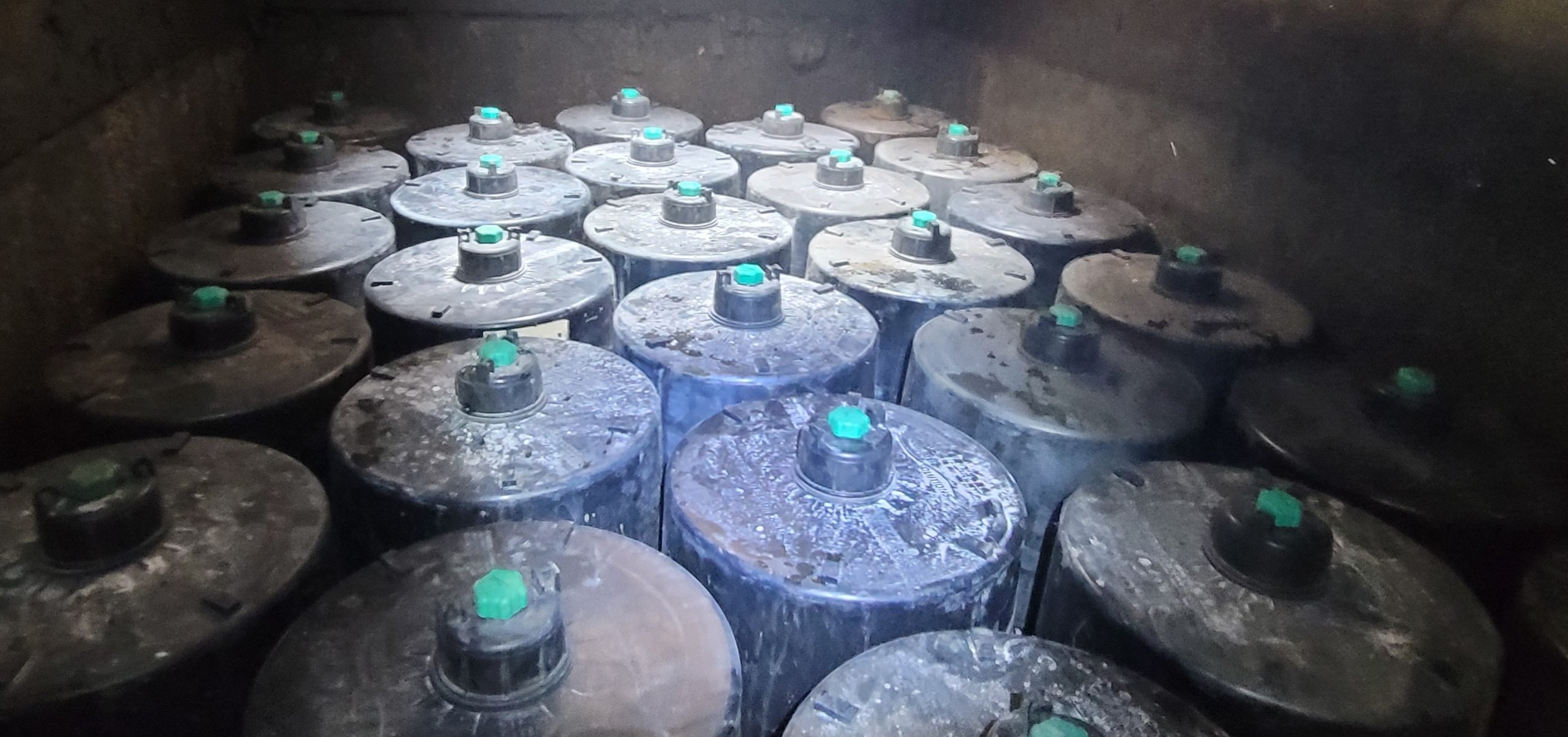
Proprietary filtration devices are engineered stormwater treatment units designed to remove trash, oil, sediment, and fine pollutants in compact underground systems. CMS provides inspection, performance evaluation, and compliance documentation to ensure these systems continue meeting manufacturer specifications and NC DEQ requirements.
Infiltration Trenches / Infiltration Systems
Infiltration trench systems are stone-filled underground structures that promote groundwater recharge by allowing stormwater to infiltrate into native soils. CMS evaluates infiltration performance, sediment accumulation, and hydraulic function to protect long-term stormwater compliance in North Carolina.
Stormwater Chamber Systems (e.g., StormTech)
Stormwater chamber systems use modular plastic arch chambers installed underground to create high-capacity stormwater storage without sacrificing surface development space. CMS provides chamber system inspections, sediment assessments, and stormwater compliance evaluations to maintain design performance.
Catch Basins
Catch basins are underground stormwater structures designed to capture sediment and debris before runoff enters downstream pipe systems or treatment devices. CMS performs catch basin inspections, sediment evaluations, and structural assessments to prevent blockages and protect overall stormwater system integrity.
Rainwater Harvesting Systems
Rainwater harvesting systems capture and store stormwater runoff for reuse, reducing peak discharge and supporting sustainable stormwater management practices in North Carolina. CMS provides inspection, system evaluations, and compliance support to ensure proper storage capacity and operational efficiency.
Underground Stormwater SCMs
Underground stormwater SCMs, including detention vaults, chamber systems, infiltration trenches, and sand filters, provide high-capacity stormwater storage and treatment while preserving valuable surface space on commercial and industrial sites. Routine stormwater inspection, sediment removal, and structural maintenance are critical to ensure underground stormwater systems operate efficiently, prevent blockages, and remain compliant with stormwater management requirements.
Catch Basins
CMS maintains catch basins by removing sediment and debris, inspecting grates and structures, and ensuring proper drainage to keep stormwater systems functioning effectively.
Hydrodynamic Separators
CMS performs maintenance on hydrodynamic separators including vacuum cleaning, sediment removal, inspection of internal components, and debris extraction to maintain stormwater pollutant removal efficiency.
Infiltration Trenches / Infiltration Systems
CMS maintains infiltration trenches and systems by removing sediment buildup, inspecting inlets, restoring infiltration capacity, and ensuring proper stormwater drainage and groundwater recharge.
Proprietary Filtration Devices (e.g., StormFilter)
CMS maintains proprietary filtration devices such as StormFilter systems through cartridge replacement, sediment removal, system inspection, and routine servicing for optimal stormwater treatment.
Rainwater Harvesting Systems
CMS provides maintenance for rainwater harvesting systems including tank inspection, debris removal, filter cleaning, and pump checks to ensure efficient stormwater reuse.
Sand Filter Systems (Underground)
CMS performs maintenance on underground sand filter systems including sediment removal, filter media inspection, confined-space cleaning, and structural checks to maintain treatment performance.
Storm Sewer Systems
CMS maintains storm sewer systems through pipe inspection, debris removal, jetting, and structural repairs to ensure reliable stormwater conveyance and drainage.
Stormwater Chamber System
CMS maintains stormwater chamber systems through sediment removal, inlet inspection, vacuum cleaning, and structural evaluation to preserve underground stormwater storage capacity.
Underground Detention Pipe Systems (CMP/HDPE)
CMS performs maintenance on underground detention pipe systems by inspecting pipes, removing sediment buildup, cleaning inlets, and ensuring proper stormwater storage and flow.
Underground Detention Vaults (Concrete)
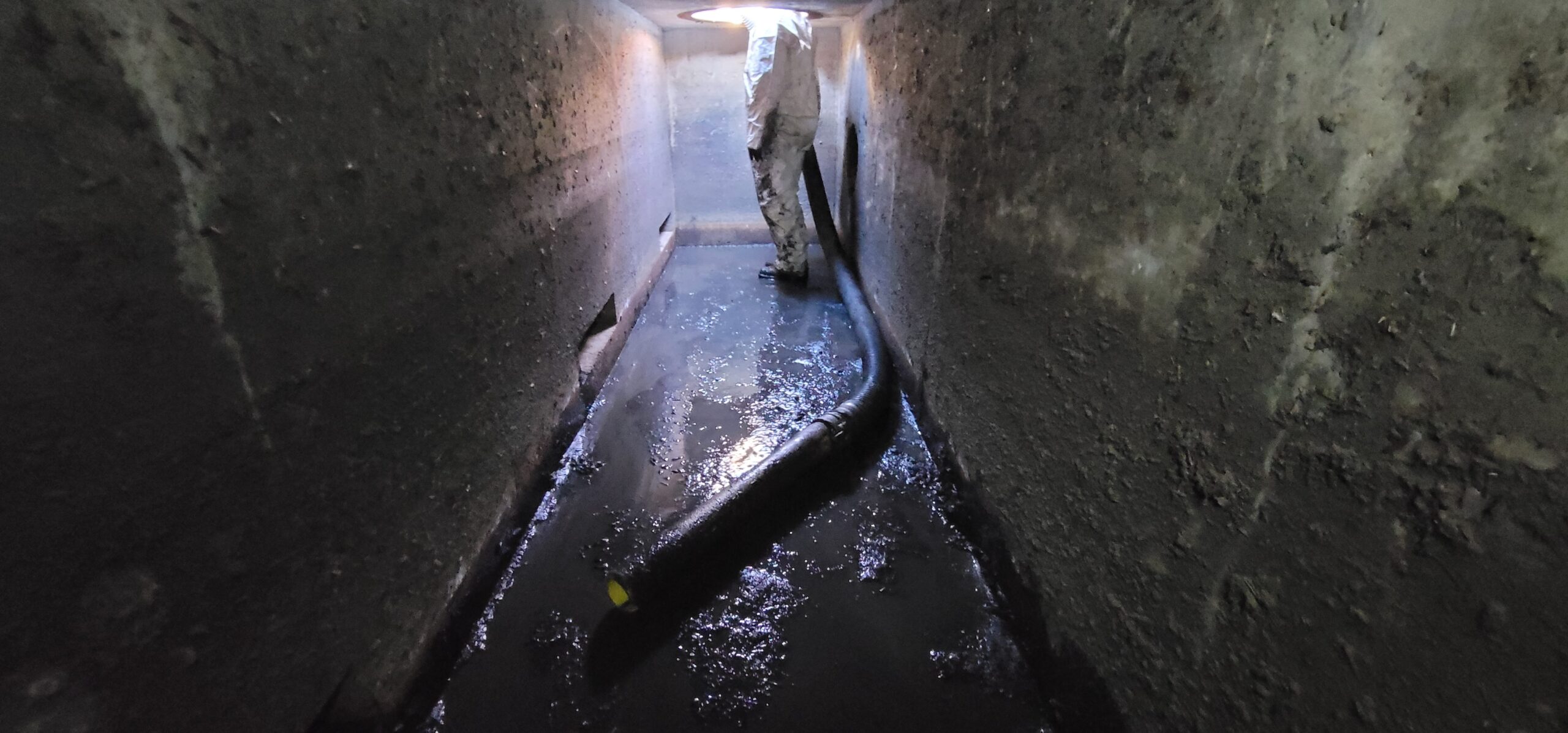
CMS maintains underground concrete detention vaults through sediment removal, structural inspection, debris clearing, and confined-space cleaning to ensure effective stormwater storage.
Above Ground SCM Maintenance, Repairs, and Inspections
Stormwater Maintenance – Underground SCM Devices
Routine maintenance of underground stormwater control measures (SCMs) such as vaults, pipes, and chambers ensures these systems continue to manage runoff and treat water effectively. Services include sediment removal, debris clearing, and monitoring for blockages to maintain proper hydraulic performance. CMS provides scheduled maintenance programs throughout North Carolina to protect system functionality and prevent costly failures.
Compliance, Longevity & Sustainability:
Regular maintenance helps property owners meet NC DEQ and local stormwater permit requirements by keeping systems fully operational. Preventing sediment buildup and minor damage extends the service life of underground SCMs. Well-maintained systems improve water quality, manage runoff efficiently, and support long-term environmental sustainability.
Stormwater Repairs – Underground SCM Devices
Underground SCM repairs address structural damage, clogged pipes, damaged vaults, or eroded chambers that compromise system performance. Timely repairs restore full hydraulic capacity and ensure water quality treatment goals are met. CMS offers targeted repair solutions to return underground systems to optimal operation while minimizing disruption to surrounding properties.
Compliance, Longevity & Sustainability:
Prompt repairs ensure systems remain compliant with regulatory requirements and avoid penalties. Restoring structural integrity protects the long-term durability of the underground infrastructure. Efficient repairs reduce material waste, extend asset life, and maintain sustainable stormwater management practices.
Stormwater Inspection – Underground SCM Devices
Professional inspections of underground SCMs include structural evaluations, sediment and debris assessments, and hydraulic performance checks. Regular inspections identify developing issues such as clogs, damage, or decreased flow before they escalate into major problems. CMS provides detailed inspection reporting to support maintenance planning and regulatory documentation requirements.
Compliance, Longevity & Sustainability:
Routine inspections demonstrate due diligence and help property owners comply with NC DEQ and local stormwater regulations. Early detection of deficiencies reduces long-term repair costs and maximizes the lifespan of underground assets. Properly inspected systems ensure continued pollutant removal, efficient runoff management, and environmentally responsible operations.
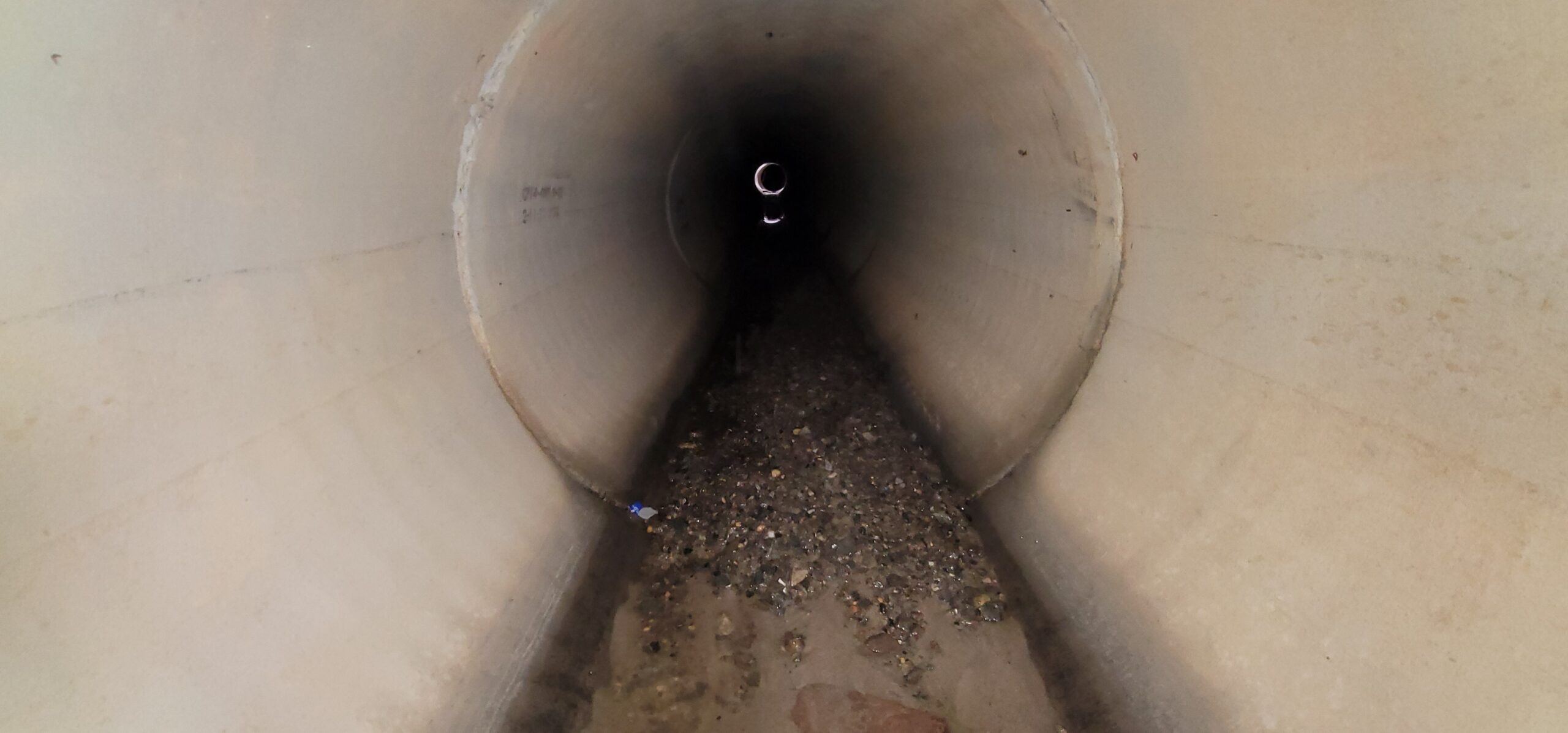
Routine/Quarterly Inspections
Routine quarterly inspections of stormwater control measures identify sediment accumulation, debris, erosion, and vegetation issues before they impact system performance. These inspections help maintain compliance, extend SCM life, and ensure effective stormwater management year-round.
Post-Storm Inspections
Post-storm inspections are conducted after significant rainfall events to assess SCM functionality, identify immediate damage, and address any safety or operational concerns. Prompt evaluation after storms prevents flooding, erosion, and costly downstream repairs.
Annual Certified Inspections
Annual certified inspections verify that stormwater control measures are operating according to local regulations and design specifications. These formal inspections provide official documentation for compliance and ensure long-term system performance.
As-Built/Final Inspections
As-built inspections confirm that newly constructed stormwater control measures match approved plans and design requirements. Final inspections ensure proper installation, identify potential construction issues, and validate long-term functionality.
Remedial/Repair Inspections
Remedial inspections assess SCMs after notices of violation, damage, or structural failure to determine required repairs. These inspections guide corrective actions that restore system performance and maintain regulatory compliance.
Key Types of SCM Inspections
Comprehensive stormwater control measure (SCM) inspections are essential to maintain proper function, ensure NCDEQ compliance, and protect water quality across commercial and regulated sites. Routine quarterly, post-storm, annual certified, as-built, and remedial inspections identify sediment buildup, debris, erosion, vegetation issues, and structural concerns before they cause flooding or system failures. By performing these targeted SCM inspections, CMS helps extend the life of stormwater infrastructure, prevent costly repairs, and optimize overall stormwater management performance.
Contact CMS Stormwater Today
Phone
Office: (252) 200-4774
Cell: (252) 903-6260
PO BOX 552
Nashville, NC 27856
Business Hours
Monday - Saturday: 7 a.m. - 5 p.m.
Sunday: Closed
Emergency Response: Call Immediately