Dry Extended Detention Ponds
Stormwater Management
Dry Extended Detention Pond Maintenance Services
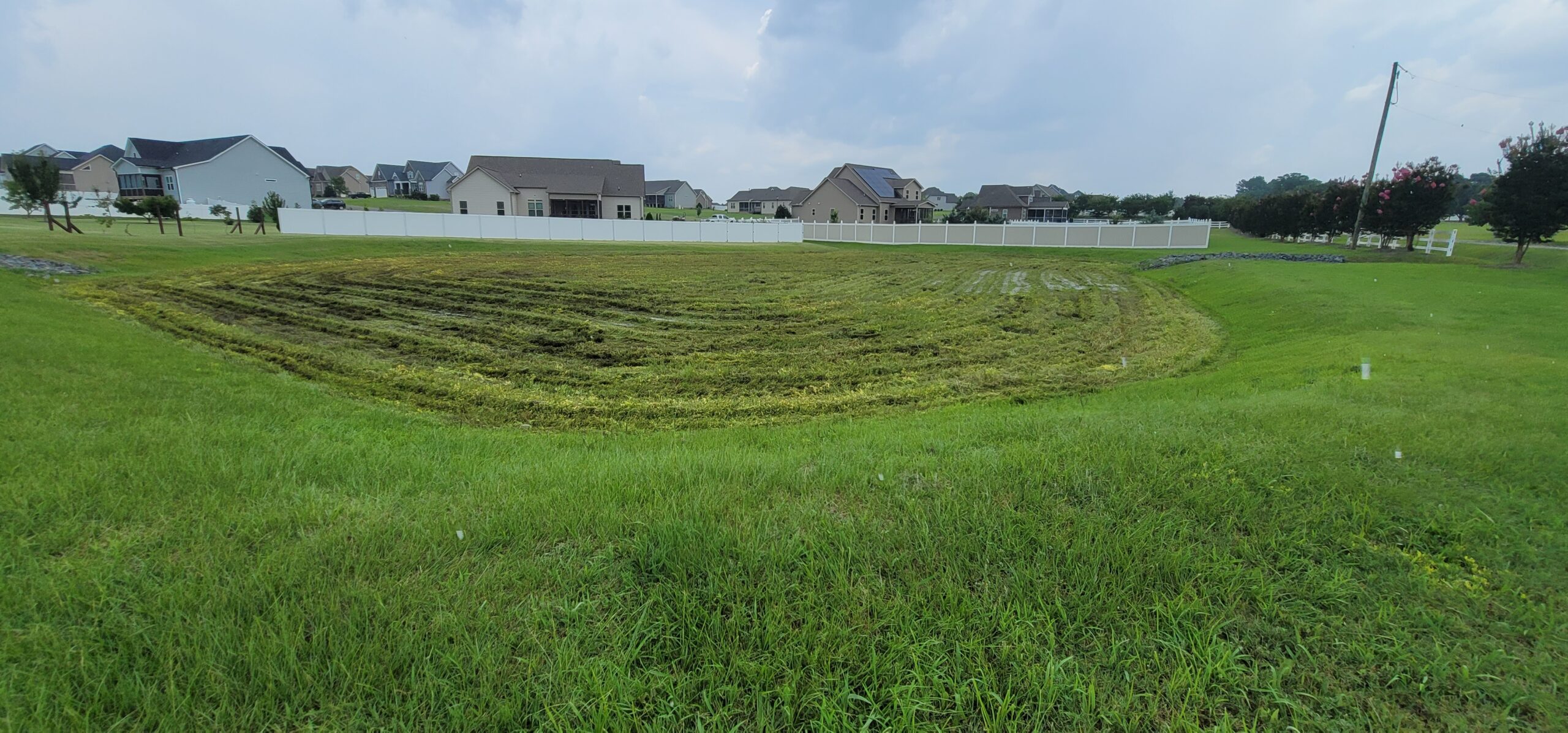
CMS provides dry extended detention pond stormwater maintenance services throughout North Carolina for commercial properties, HOAs, and municipal stormwater systems. Dry detention ponds temporarily store stormwater runoff and release it slowly to reduce peak flow and downstream flooding. Over time, sediment buildup, vegetation overgrowth, and outlet blockages can reduce storage capacity and hydraulic performance. CMS maintenance crews inspect, maintain, and repair dry detention ponds to ensure proper stormwater control and regulatory compliance. Routine maintenance protects stormwater infrastructure and helps property owners remain compliant with North Carolina stormwater permit requirements.
Dry Pond Maintenance Notes
Dry extended detention ponds require routine maintenance to maintain storage capacity, vegetation coverage, and outlet function. CMS maintenance programs follow North Carolina stormwater maintenance guidance to keep these systems functioning properly. Regular maintenance helps prevent sediment accumulation, erosion, and outlet obstruction that can reduce pond performance.
Maintenance Tasks
-
Remove accumulated sediment from the basin floor
-
Maintain grass coverage and mow pond slopes
-
Remove debris and trash from inlets and outlets
-
Inspect and clear outlet control structures
-
Stabilize eroded slopes or basin areas
-
Maintain access paths for inspections and maintenance equipment
Dry Pond Inspection Services
CMS performs routine stormwater inspections for dry detention ponds to verify storage capacity and hydraulic performance. Inspectors evaluate sediment accumulation, outlet structure condition, vegetation coverage, and signs of erosion. Inspection reports document maintenance needs and help property owners maintain stormwater compliance.
Dry Pond Repair Services
CMS repair crews address structural and drainage issues that reduce detention pond performance. Repairs may include outlet structure repair, slope stabilization, sediment removal, and basin grading corrections. Prompt repairs restore stormwater storage capacity and help prevent flooding or drainage failures.
Dry Pond Frequently Asked Questions
How often should dry detention ponds be maintained in North Carolina?
Dry detention ponds should be inspected at least once per year and after major storm events. Routine maintenance such as sediment removal and vegetation management helps maintain storage capacity and stormwater performance.
Do dry detention ponds normally hold water?
No. Dry detention ponds are designed to temporarily store stormwater runoff and drain within a short period after rainfall. If water remains for long periods, the system may require inspection or maintenance.
What causes dry detention ponds to fail?
Sediment accumulation, clogged outlets, and erosion can reduce the pond’s ability to store and release stormwater. Regular CMS inspections help identify these issues early.
Does CMS provide detention pond sediment removal?
Yes. CMS performs sediment removal and basin restoration services to restore stormwater storage capacity and system performance.
Can CMS repair damaged detention ponds?
Yes. CMS provides stormwater repair services including erosion stabilization, outlet repairs, grading corrections, and sediment removal.
Above Ground SCM Maintenance, Repairs, and Inspections
Stormwater Maintenance – Aboveground SCM Devices
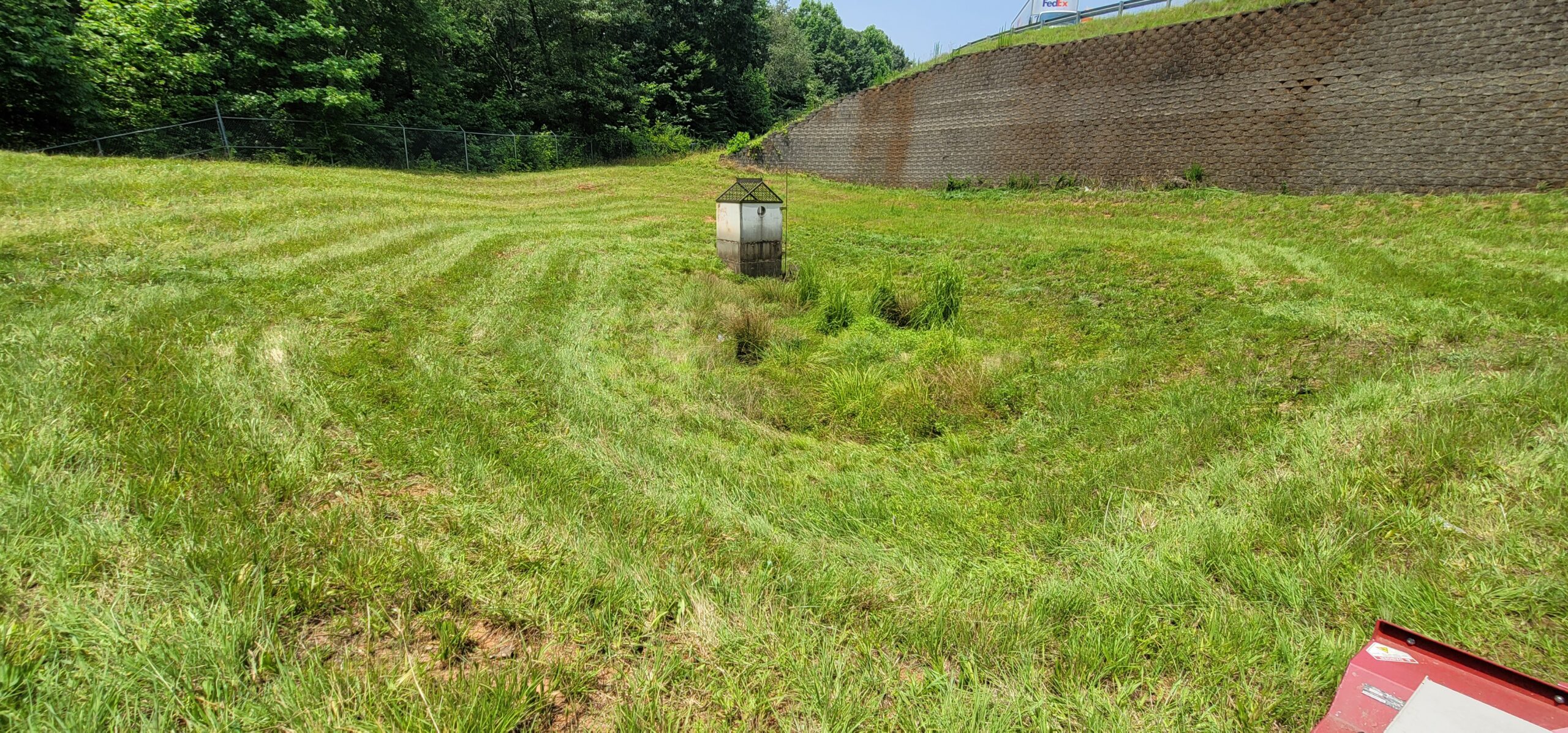
Routine maintenance of aboveground stormwater control measures (SCMs) such as bioretention areas, detention ponds, sand filters, and vegetated swales ensures these systems function as originally designed. Services include debris removal, sediment cleanout, vegetation management, erosion repair, and outlet structure cleaning to maintain proper flow and treatment capacity. CMS provides proactive maintenance programs that protect water quality, prevent system failures, and keep facilities operating efficiently year-round.
Compliance, Longevity & Sustainability:
Consistent maintenance helps property owners remain compliant with state and local stormwater permits by ensuring SCMs meet performance standards. Removing sediment buildup and correcting minor issues early extends the service life of infrastructure and prevents costly rehabilitation. Properly maintained systems improve pollutant removal, reduce downstream impacts, and support long-term environmental sustainability goals.
Stormwater Repairs – Aboveground SCM Devices
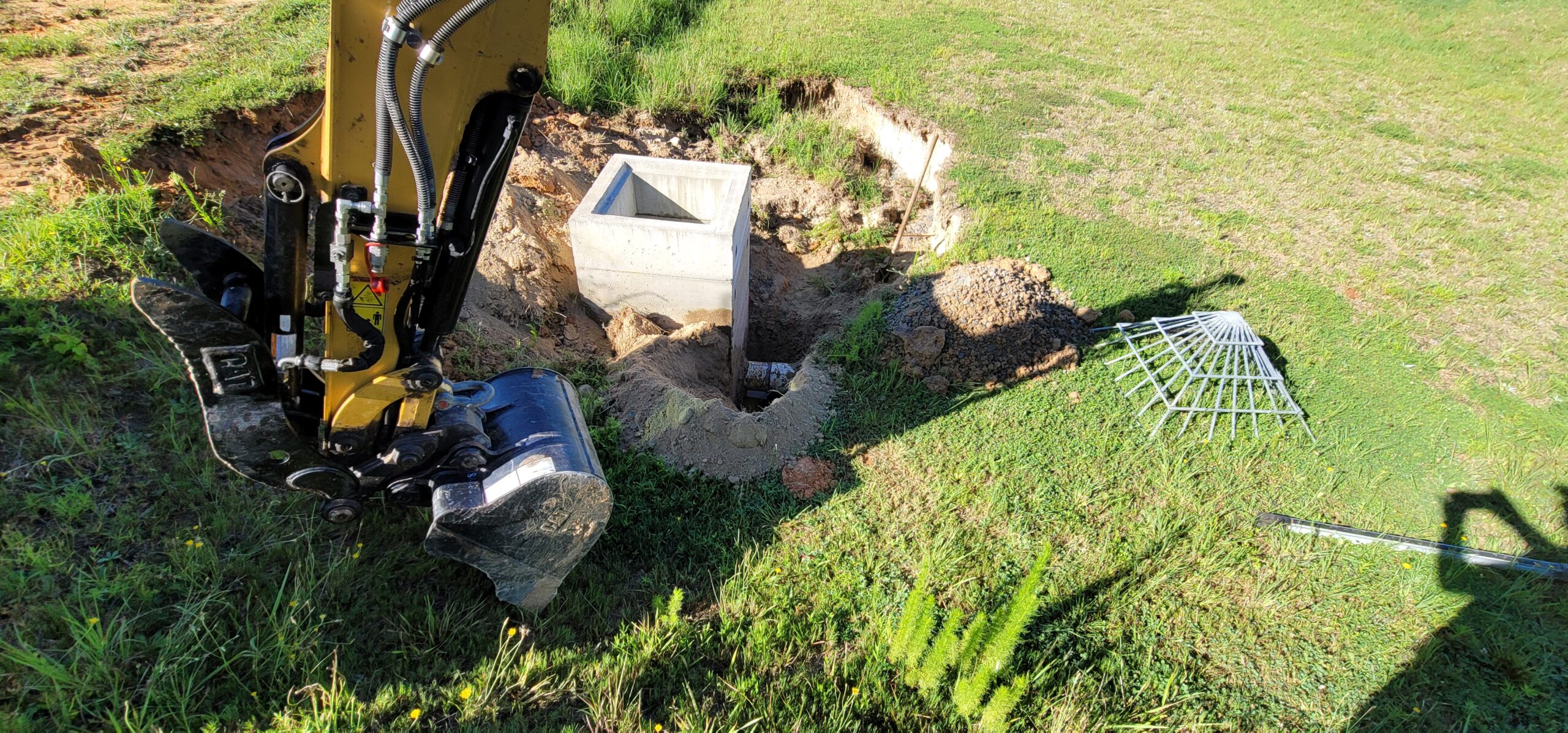
Stormwater repair services address structural damage, erosion, failing outlet structures, compromised embankments, and deteriorated components within aboveground SCMs. Timely repairs restore hydraulic performance and prevent minor deficiencies from escalating into major failures. CMS evaluates system conditions and implements targeted repair solutions to return SCMs to full operational capacity.
Compliance, Longevity & Sustainability:
Prompt repairs help maintain regulatory compliance by correcting deficiencies often cited during inspections. Restoring structural integrity protects the long-term durability of the asset and reduces the risk of emergency replacements. Sustainable repair practices preserve existing infrastructure, reduce waste, and ensure continued water quality treatment performance.
Stormwater Inspection – Aboveground SCM Devices
Professional inspection of aboveground SCMs includes detailed visual assessments, sediment measurements, structural evaluations, and documentation of overall system performance. Regular inspections identify developing issues such as clogging, erosion, vegetation overgrowth, or structural deterioration before they compromise function. CMS provides thorough inspection reporting to support maintenance planning and regulatory documentation requirements.
Compliance, Longevity & Sustainability:
Routine inspections are critical for meeting permit requirements and demonstrating due diligence to regulatory agencies. Early detection of deficiencies reduces long-term repair costs and maximizes the lifespan of stormwater assets. By ensuring systems operate efficiently, inspections contribute to sustainable watershed protection and responsible environmental stewardship.
Stormwater Systems We Maintain
Aboveground Stormwater SCMs
Above-ground stormwater SCMs such as wet ponds, bioretention basins, vegetated swales, and permeable pavement systems manage stormwater runoff by slowing flow, promoting infiltration, and removing pollutants before discharge. Proper inspection, maintenance, and repair of above-ground stormwater control measures are essential to maintain hydraulic capacity, prevent erosion, and ensure long-term stormwater compliance in North Carolina.
Above-Ground Stormwater SCMs
CMS performs routine inspection, cleaning, vegetation management, sediment removal, and structural repairs to maintain above-ground stormwater SCMs, ensuring reliable performance, regulatory compliance, and long-term drainage function.
Bioretention Basin
CMS provides maintenance for bioretention basins including sediment removal, plant care, mulch replacement, inlet and outlet inspection, and routine cleaning to ensure proper stormwater filtration.
Bioretention Cells (Rain Gardens)
CMS maintains bioretention cells and rain gardens through vegetation care, debris removal, soil media management, and inlet inspection to support effective stormwater treatment and drainage performance.
Constructed Wetlands
CMS conducts maintenance for constructed wetlands including vegetation management, sediment removal, debris clearing, and outlet inspection to preserve stormwater treatment capacity and ecological function.
Debris Collection Devices
CMS maintains debris collection devices by removing accumulated trash, sediment, and pollutants while inspecting structural components to ensure reliable stormwater flow and pollution control.
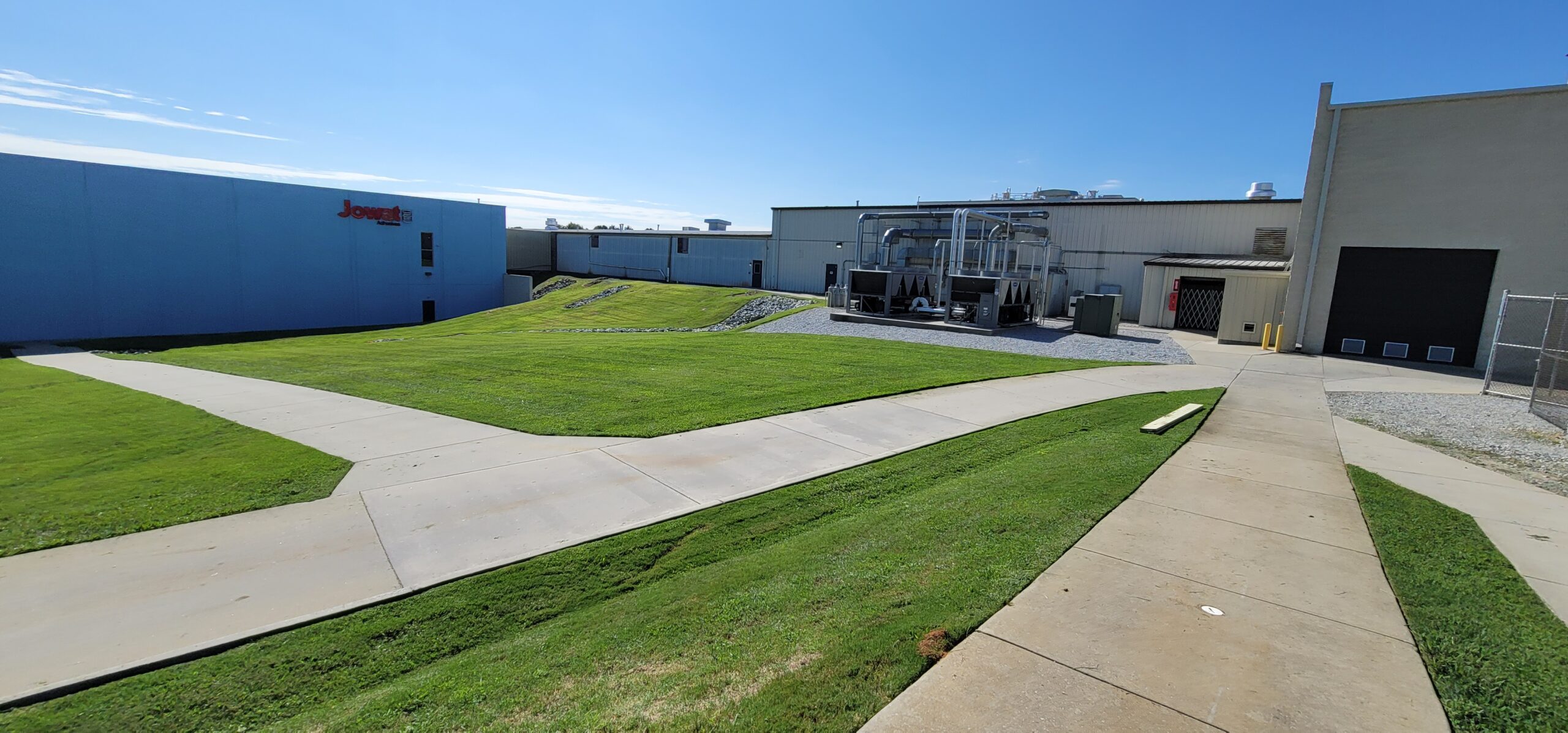
Dry Detention Ponds
CMS performs maintenance on dry extended detention ponds including mowing, sediment removal, outlet structure inspection, and debris clearing to maintain proper stormwater storage and drainage.
Green Roof
CMS maintains green roof stormwater systems through vegetation care, drainage inspection, debris removal, and routine system checks to ensure efficient stormwater retention and roof protection.
Level Spreader – Filter Strips
CMS maintains level spreaders and filter strips by clearing sediment, repairing grading, managing vegetation, and ensuring even stormwater distribution for effective runoff filtration.
Outfalls
CMS performs maintenance on stormwater outfalls through debris removal, erosion inspection, structural repairs, and sediment clearing to maintain proper discharge and system stability.
Permeable Pavement Systems
CMS maintains permeable pavement systems through vacuum sweeping, sediment removal, joint inspection, and surface repairs to preserve stormwater infiltration and pavement performance.
Permeable Pavers
CMS performs maintenance on permeable pavers including joint cleaning, vacuum sweeping, debris removal, and surface inspection to maintain effective stormwater infiltration and pavement durability.
Retention Ponds
CMS maintains retention ponds through vegetation management, sediment removal, inlet and outlet inspection, and debris clearing to support continuous stormwater storage and treatment.
Sand Filter System (Aboveground)
CMS performs maintenance on aboveground sand filter systems including sediment removal, filter media inspection, debris clearing, and structural checks to maintain effective stormwater treatment.
Vegetated Treatment Swales
CMS maintains vegetated treatment swales through mowing, sediment removal, vegetation management, and debris clearing to support effective stormwater conveyance and filtration.
Contact CMS Stormwater Today
Phone
Office: (252) 200-4774
Cell: (252) 903-6260
PO BOX 552
Nashville, NC 27856
Business Hours
Monday - Saturday: 7 a.m. - 5 p.m.
Sunday: Closed
Emergency Response: Call Immediately